IAML:To write at least 10 facts about matariki
This week room 9 has been learning about matariki and I was researching for 10 interesting facts about matariki.This experience was very fun because I've learnt lots about matariki and I can teach my little ones about it.This experience also has helped me to learn more about the seven stars and all of their message.The challenge for me today is trying to research each sister to see facts about them.Here are my 10 facts.
1. The reappearance of the seven Matariki stars, in late May or early June, signals the beginning of the Māori New Year.
However, not all tribes celebrate at the same time. Some may begin festivities on the first full moon after the star cluster rises, or on the next new moon.
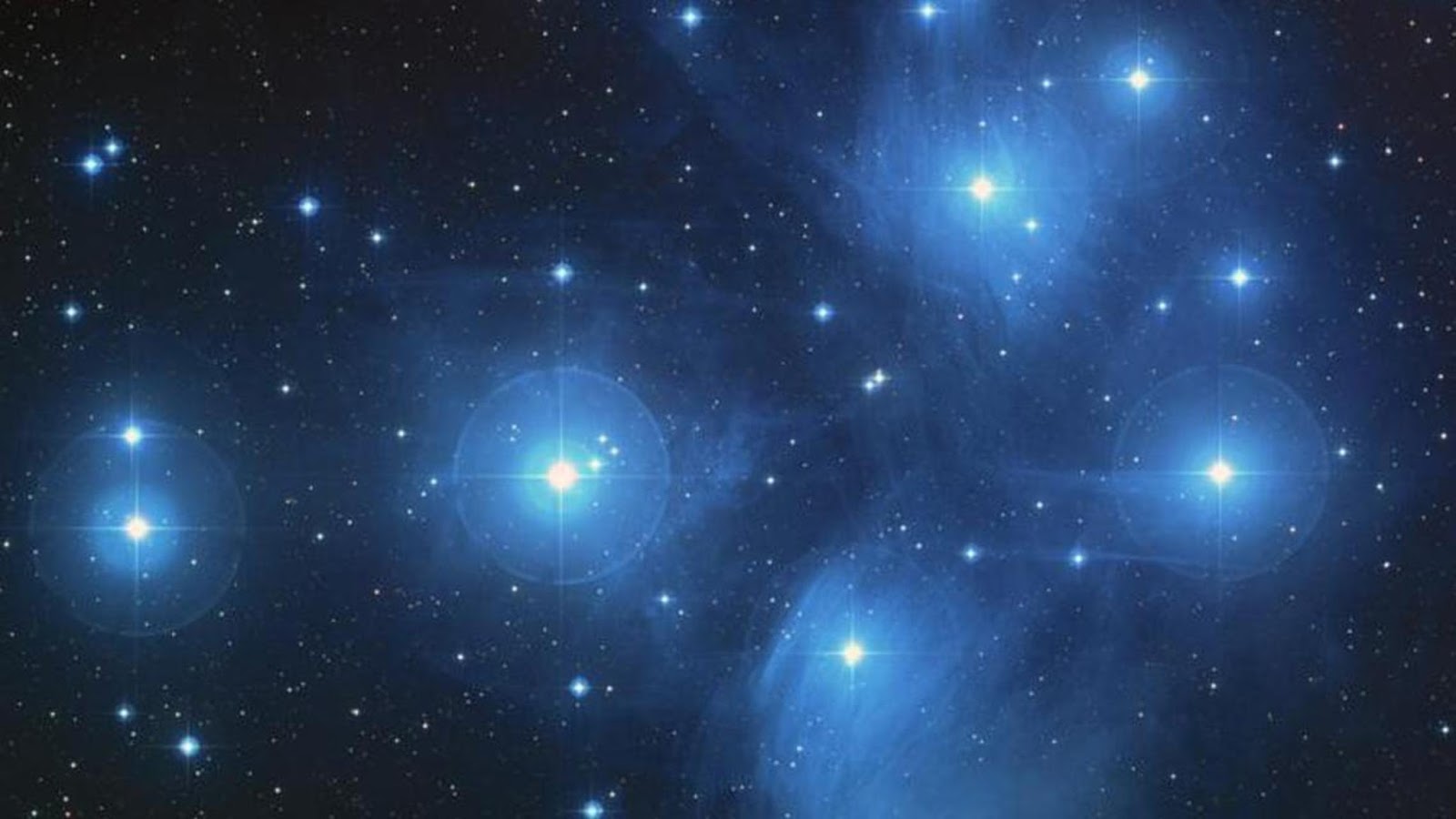
2. Matariki is a star cluster, not a constellation.
A cluster is a group of stars that are near each other in space. When seen from Earth, the stars in a constellation appear to be close together in a pattern, but they might actually be far from each other. There are about 500 stars in the Matariki cluster, but only six or seven are visible without a telescop.![Image result for matariki]](data:image/jpeg;base64,/9j/4AAQSkZJRgABAQAAAQABAAD/2wCEAAkGBxMSEhISExIVFRIVEhUVFRUSFRUXFRcSFRUWFhYVFhUYHSggGBolHRUVITEhJSkrLi4uFx8zODMtNygtLisBCgoKDg0OFxAQGisdHh0rLS0rLSstLS0rLS0tLSsrLSstKy0tLS0tLS0tLS0tLS0tLS0tKy0tLS03Kys3LS03K//AABEIALcBEwMBIgACEQEDEQH/xAAbAAEAAgMBAQAAAAAAAAAAAAAAAQIDBAUGB//EADEQAAICAAQEBAUDBQEAAAAAAAABAhEDBCExBRJBUQZhgZEicaGx8BMUwTJCUtHh8f/EABkBAQADAQEAAAAAAAAAAAAAAAABAwQCBf/EACARAQEAAwACAwEBAQAAAAAAAAABAgMREiEEMUEyExT/2gAMAwEAAhEDEQA/APhoAAAAAAAAAAAAACaIAAlIUBAJBPARNBEy302AqTFWEWjEniFGiDJRRojiUAkggAAAAAAAAAAAAAAAAAAAAAAAAAAAMmHh20tFbq3t6lKMmFG2lp21dfXodSCOXoOU2J5em1po2tHaddmt0ZsPB8rVd/Z2X46bXNyaKRVo3JYDMM8OiMtVhMmFItiO+lbbeSqwyLKrEiho32JSJRJ1IJotyijJFWWY4ubWKtK6/SivKbiww8A6/wAq58mk4mNo6MsA18XCK89V+3UzaoJaIKHYAAAAAAAAAAAAAAAAAAAAAGR4eiemt6Xqq7roVSMulLV3r09upPBiRlw/zzKGSHTWyzCe3NbmXhZ6XhfBv1FojzmVlTPd+EeMRy+JGbp8j26P17Hq6vWN57rHutn05XEeCvDT0rSjzGawqbPp3izjkMzKU+VRckk4x8lWh88z3U6zx8sO2crnTnf1xpRrQpRszhrRTGwZRq4tJq1aaTXdd0eblhW2ViJimQol4wOJLUrQiZYxoiGGbMMHQ04a6ryqsDZwolIYZnhojRjgrtUxkjRzKNubNDMSKt3JHWDWxDGXmih52X20AAOQAAAAAAAAAAAAAAAAALQg20krb2S6sCCSXFrctBLqdyIIxZljDTf5HS4Xl4ztS00tNeXfyJ4lgRhpHtdvrobsfj8x8lV2Tvi0oTNrAzNdTRZbmJwzuJcZXQlnX3K4uMpae3S13NJNtN1omr9dvsYXPUm76ia4u5GTHzU5qKlJtRjyxtvSPZdkYuaxitNtpcq6LV+lspuTvilmfBYyuHCSnzz5Wotx0b5pLaOm19xhHWueytvCgvOzo4OWT6GrkY2z3Phnw9PNNxw0uZK3eio34+OOPlWPbnz08q8nRrYuGux6TjGV/Tco0nKLadaq12PPZidO69Ht9Cy8s6515eTRzDpHNxpxrS7vyrlr7mzmsf8A5XqaM6PL+Rn2+m3XOKNlS0mVMVWgAIAAAAAAAAAAAAAAAAAy4eLyuLjakndp0007TVapoxFkTBeU3Jtu22223q292wkRFvp+Wi6j7luMQ2cDMOOzJxsy5Vb22/0a5Zo0zPLnHHjGdThyVT57/qvTlr+nlre9bMDkFEuoUh7qIwtlTPPC7XXmY5QK8sbHUsUiGKIbOOpTFmyo0lo7d77P5fU1kXWJR1jlxFjpZPFaao9dwnjM8JfBJxbVNrQ8Jg5mjbhxRpVRu178PHmTNt1XJ6bifEJTulb6v+Tzuek/7nr2RrZniE3opfC9dOnsaLxLK9vysbOR1q0eJNmNl2VZ5+V60xWTIJIK0gAAAAAAAAAAAACWQAAAAF4Qtq3Xn28wVRZHWIvA2f0l0vZXfeta8iuVhckj2eQ8LYk8CWPGF4cf6pf4/P3XubtOqZTtUbNkxePjhl1gHQzGAoui+BBPoacdP44uz0145I2ZZJJdzr5TKXsdLiuSh8LhGUY8sbt38Vav5F/hjPTPlu98eRzeScE+ZU1Wj31VrQ5eK3ten0Xod3iMGcbMdls9em5n+Rjxp1ZdakiHElnQymPl1hzWLh4ksRv4JQmlFLl2lFp38VP5J9zB6XuY2QWdCEd9tr1K0ql4l4RXK9+a1VVVa3fW9vqVUGTMajqGWjhN3Wy+xKgbOXmo81wUri0rv4W9pKuqLJh37RcmnJFYQbdL+P5MuItTGzjLHiZVKIZu5/NrEceXDjh8sIxahdSkv73f9z6mkyqxMQADlIAAAAAAAAAAAAAAACUWSKxZZu7fXdkyjYyuJTs9fkfFGJHClhKb5JJc0ejpJarrsvY8TFmfDkbdG7xnFOzXMnXzOPzO1sbGUlVfQ5WXx3GUZ0nTTqWsW1rTXVGxg5qnzaXd1SpGzDbLfarLD1x7jgco3ctl+Uey47kMGOWhiQmnOW8f8VTPlGBxClFXrfpXezpT403GvKi3LHyssv0xZar3660eKR1keczZ185j2cnMLR/nUq+R7jZpnGlQaDZsY2enLChhOuSDlKPwq7lvct3stzy7z9a2rLctHsUJicy+xuYOnzNhU2u35saWHLyN/K4etm7Ve+oqy9e18PAvVoyftl2Ork8g5bK2zpPgU+W6Nfhiy5bpL7rxuYwquv8AvsaPU9FxLJOLarX7HDxMNK7dadrt9F5GL5Guy9adWfY1pIo0XkyZSXLt8V730rav5MNXsQAOQAAAAAAAAAAAAAAAAJsgAWTLq0Y4mSLLMKhkiZlob/DeHKcebmS+ZeXD205KqV9ex6GGjLx6ouyd404zrrr5meONpuc5yIljETd4/bq4db88ZV9zSx57u/8AwxKTdkSkU7N/lHUw4hVRSy0Z6NFpTpcqdxu66XVXRk67V5gQSkTBaDOvw/ZHJgdTJStVeq+xs+N/SrZ9PofhfPRh+nopNQlFqcU1bd2ut/PZn0DNYGW/a80Wv1quk9ebrofGMlm+TZ6r6HYXH58u/r1vT/Zr2afKyy8ebljlLeTvWv4ohHmdHjM5A7nEc45u+pw8yyN/8tXx8bjONForiItiPUqmuvp8zysm2MYLUVK0gAAAAAAAAAAAAAAAAAAF4MoCZeDpYHEZRVLp9ycTPzSq1qr0p79znWLNH/TnznXH+eK0plbLYuG4unXo017oqU3LrpaMnql6lRZFkdAlIgvPEbSV7KvQhJKVu6S8lsTHHkk4pvllVro61VmMgdGWLM+HjVr1NMlMsx22Is67GFmt1d+a/wBF1mvM5EJmVM1Y/Itiq643sTNdt+5gxs1cUqjaWrp29bt61fTQ1pTGYnFu4ppaUm7e2utLrfucZ7rUzCRXFnbKTi10FmSE3G+lqvR9DNasYRRMiVEjiVaFF2uxVqiLBUEsggAAAAAAAAAAAAAAAACUyABNggAAAAAAAAAAABKZZTKAmXgvYbKFkT0SwmXxoKLrmUttY3WqT69rr0KtCIEjNhYNtXt3XYrCJ6Dw9k4zl8W35qadOryvFezPxnXDll32+hgkq0Pqnirwm8nDDc3F/qRbXL9b9z5rnsLlk0dbdMmPljfTnVt8rytJbkNEyBjq9UE2QQAAAAAAAAAAAAAAAAAAAAAAAAAAAAAAAABKZAAskWi9e/kVCOoNzLYXM9EdjI47wXb/ADzNPw5xT9tjQxeVScJJ8stm139zNx7i/wC4xZ43LGLm7cY7LyS7G/Vljjj39Z85csufjr8Q8SOcalOUq25ndfI8pmsXmf2MUplJFW7f5enWvVMPpEkQ30LSapVd9e3oYzHVwAAAAAAAAAAAAAAAAAAAAAAAAAAAAAAAAAAAAAlMtyOr6XXruASCkHIA6ECwDmioAIAAAAAB/9k=)
3. You can see Matariki for yourself.
From early June, before sunrise, look to the north-east horizon. Find the constellation Tautoru, or Orion’s belt (sometimes called ‘the pot’). Trace a line northwards from the three stars of Tautoru. Look for a faint sparkle of tiny dots, about the same width as Tautoru is long. This is the Matariki star cluster. Matatiki can also be seen during the summer months in this location of the sky after sunset.
4. Matariki is one of the star clusters nearest to Earth.
Compared with other star clusters, Matariki is close to Earth – but it’s still 440 light years away. If you drove there in a car at a speed of 100 kilometres an hour, you would arrive in 4.8 billion years!
![Image result for matariki]](data:image/jpeg;base64,/9j/4AAQSkZJRgABAQAAAQABAAD/2wCEAAkGBxMSEhUQEhIVFRUVFRUQFRUVFRUVFxUWFRUWFhUVFRUYHSggGBolHRUVITEhJSkrLi4uFx8zODMtNygtLisBCgoKDg0OGhAQGi0mHSYtLiswLS0tLS01LS0tLS0tLS0tLS0vLS4tLSstLS0vLS0tLS0vLS0tLS0tLi0tLS0tLf/AABEIAKIBNwMBIgACEQEDEQH/xAAcAAABBQEBAQAAAAAAAAAAAAAAAQIDBAUGBwj/xAA8EAACAgEDAQYCBwcEAQUAAAABAgADEQQSITEFBhNBUWEicQcUMkKBkbEjM1JicqHBgtHh8PEkQ3OSwv/EABkBAQEBAQEBAAAAAAAAAAAAAAABAgMEBf/EACQRAAICAwACAgIDAQAAAAAAAAABAhEDEiEEMRNBFJEiUfAy/9oADAMBAAIRAxEAPwDx0QigQCzqYEgI7bHKkUBgWPCTT7L7Guv/AHVTMPUDj/7HidTovo91TDO2sezWpn+2ZSWcJsiFZ6FqPo41ijIpD/0Orf2zmc5ruwnrJV0ZWHUMpB/IwhZgbYYlu3SkSArFAYBFjtsAstAbFxHFYbYoWNigR+2KFigMxDEfthtigMxFxHbYuIoDcRcRcRcRQEhHYihYoDQJIqRVWS1rIUFojGrnU9kfVvBs8UNvwPDxjGfPd7YmDqVGeJlM00UCsaRLBSNNc0ZICI3bJykaUgEO2Jtk2yJsgEBEQiTlI0pAITExJCkQrAGYhHYiSFE2xwSSBZPVVmaoxZHptIzsERSzMcADqTPQO73cytMG0C2zrt6ov4fePuePaXe7PYA09K2uP2twzz1SvqF9ieCfwHlOi7O05PyHWWjLZLRTt4x08hwJoV65gcAD5f7wp0JYbsdcxRp8HmOMdNnQW7uvHy4l7X9n1Xr4d9a2L5Ejke4PUH5TO0S7fPPGRNWrXoTtzzj+/pOUl3htM8n78fR+aFN9GXq6n+Kv+rHVff8AOeZarSbTPqurByD0YYIPQ59RPF/pE7rfVrdyD9nZlk/lP3k/D9CJuEr4yNV08yKRNst3VYMj2TpRmyHbF2yYJJral42nPHPzii2VNkXZLAri+HFCytshtlgpE8OKFkG2Lsk3hw8OKFkO2KEku2OCxQsh2RQkl2xwSShZCBJVEcEihYotjg0QwEcJKFglWZPdoWUZIwD0iUtgzU7R7Ye5ERjxWuxeBwM5/GRpmlRgPXI9ktPGETVGbK+yKK5Oqy1pqNxxI0EZ5qkbVzre1u7j0VpY4wLBuXkcic7bXIummqKDJIysuMsiZJaM2VisWTFIRQsZWk6bul2V4+oqrI+Etlv6VG5h+IGPxmDQvSej/Rbpg2p58q2/uVH+ZXxGV1nTdqac7ufJQOnGYaAlePznS9o6dVG5ufIDGZipSwyRwCM8/oJIu0GqZq6bUbVyAD5f+PSNewscKuSOoPSGhTO1cdTg49JtDRKCCPkZhtIvswb9U3KDC4BlNLiDz18v951Gs0KEFsczkdVnccnzPHp/tNQaZJKjr+xxuRWPXp85n9+ezRdo7OPiQeKvzX7X5ruid3tYWOwnyxLup1auHrPmrj8MEGc2mpG01R84do04Mo7Jr6/kyhsnro42QqkcEkm2OCyULERJfTspzWbQp2A4LY4BPQZlZFl9Ne4Q1hjtJyVzwT64mWmbTX2Zb1YkZSW7JEVmkjLZBthtku2G2WiWQ7I8JJAseokotkYrjvDlvT1ZM1+0+wnpRLGHFi7l5HI6TLaRpJs5srExLLpIystEsiCwCyTEJdSWNEMx0TEmosaYhWPiy0LGBZYpfBkYiiTUtl/VdpO6hWYkDgA+XymbZzJMRpEmtFcrK5SRmuWisaViiWVWrhJ2SEULIqV6T0D6NNQF1SA/fDJ+JGR/cCcHWuJt9i6k1urqcFSGB9CDkTTjaoxtTPoDU0BwFP5yk/Z3B2jpxgyz2LrhfUlydGHI9G8wfx/xNJJ5LceHekzI7N0nJJzx/wB6zQdsGWS3Ep2n2i7YqidDn39pk6rs0MxYjA9B6+s0tOSB/gRlectu+ULg9nPUWCpvx64x7RnbmoWmm+0ddhwfL4uAB+Jl27RfEcn/ADOJ+kDtPAGmU+jv/wDkf5/KdorZnNukee6mVsSzZGhZ6qONkOyPCSVUj/Dii2QhYu2WBXEKSUWyuVjdsn2RCsupLINkULJcRCIoWR7Y4CPAi4jUWPpbEtX61mABJOOgkek0VtpxVXZYR12Iz4+e0cSXUdlX1jNlFyD1ap1H5kTLirNKTKDxhWTRuJrUzsQ7Ym2W9RpnQgOpUlQwBGDtPQ48syLEULIdsMSXEMRQsi2xNsm2x22KGxDthiSbZp11VU/vkNr+dYYoqe1jjkt/KMY8zngSi2ZGIq1mbHad+nYo1NRrJU+Im5nUOGIBRm5wVwfbMrLaPISUWyqNKT5Rfqh9JoJbJgZKFmYvZ/rCX3txFkoWZNOgcgfCZq6Ls4Dls/KXqSMD5CTrtnRI5tnR90O2/qrbTk1t9pfQ/wAQ9/1npmmuWxQ6MCp5BH/es8WrcCbXZHbb0nKNj1HkfmJyyYNur2dIZa4z09xKzVn0mLou+NbcWIVPqvI/LrL47w6c/wDufmp/2nm+Ocfo67xf2X0rMmNQxgzB1XemlehLf2/Wc92p3wdgVQhB+Z/4lWGcvoPJFGx3m7WWkHbgvjCr5fNvb9Z5L2hVa7M7ZYsck5HM2L9WWJJbPuZX8T3ntx4tUeeWTY55tMw6qfyjfD9p0JtEjaxT1nXVnPZGKqSeqrMvGtIJR6SOJVJEw7Gfw/F2nbnGfLPpmZltWJvt2paKvAJOzOdvln1mPaMznBS+zpJx+ik1cZslorGbJ11OWxX2Rdkm2Q2S6jYg2SXT0hmVSdoLAE+gzyfyly7QbKksY827iij+BSVLMfdgQB/KT6SrskqxZLqNc7YAYog+zWrEKo+Q6n1Y8mWOzO09UrqtF9qsTgAWNj8QTjHmc+QlMV54/CdL3d0i13qjcsoa/UHySupTYac+rFQG+e3+KZkkkai22Rd+NTutr0+EeypVFtq1qr23MMkfCAcLkKB65zzG9laZNKj6mxVssqIRFbDIt7ZKpjo7KAXbyXAAyTkVbbWrzcx/9Rdm3PnUtmSX9nbJx6Lz1IxN29X4dOl044xT9af3fUHPPyRUEzrxRLt1swb3Z2Z3JZmJZmPJJPUkyIrL2n0TPkgDAwCzMqKCegLMQM+0s2dg3ixKSg3uAyLvr+IE4Ug7sYPl6+U6cRm2ZGyG2dB29oQtq0UhW2DwsoVZrbB+8dtpJGWyAD0Cj3lR+xbRW12FKKcMy2VttJ4AIDZyfISKqsdMnZF2Tdo7r6pyqrSSXU2D4kAwGKnJJwpyCNp59pCumeqveayDd8NbnGdo+3sXrk5UbvTIHWOfQ79lfQ1+Gjag9QfDp/8Akxln/wBAIP8AUye8p7OM+vrOn7X7Dt/dogKaarDfEoJI+LUWKhO5gHLDIHRB6SjotKyVm/w+PsVu2AA/UsoP2iFB9gSD6SRp9LJ0Y3hwCy01f/TI9kriRSErE6fsS3TCuzxlJYrhMeR9TObAkgacp49kdYToTWgZ4iyN+YQokciSjOB8pbTMk02m4HymhTpRO6R5mzPCNLFVh6YjV7UpFr0MwRkG47yF4xnPylldXQSALEOTt4IPPTGR78fOLRaYu8+kXxyIumuSzcU5CsULYOCRwQD546Rz1SrpLoq23ZldgJbeuRNXNIlkG0RvhiTFIhSXo4QmsQ8Mekm2xI6XhF4Yi7T5STEdiKY4QF2kdjsestxjKJKFlArGkS61YkTVzWpmytsi7ZNthtl1Gx0SaIa3TUrSy/WNOrVNUzBTZWWLKyE8EjJBH/Gc2zu3qF/eotQ82tsrQfrk/gDM/ZDZMLG16fDTmn7RbN9dHFJL2dDcQVC+opU8g/znn0A6y/3YauurV3WYIFSUqp++bHyU+RFeD7ZmLthsh47VBZKdjNRYzszscsxLE+pM6fvV2d4nhasMoobT1Lu3KSHRNprCZyW4Ht1yRic5siiuHDqaCnxo6OzsZWOhRiF0711ZIYZe21/2oA67vsgnyCj2Bdo6nftG19o8StL7KaxjINaMlFYHkQApA9pzYriiqZ+J/wBl+Vf0bHZPZTfV9VtwbgKUPxD4K3Ym3LE4+6oY54BI9YnbGlFej061HKMbLrH6eJYGNahR1IVVOB6Nk4zMnwo7wpfjd3Y+RUaHeV2XwdIDgaetVYZ63P8AtLCT7F8e2D6zXv7PI7Rprs/d0BcZOSUoTxWc+zOGOT1zOY8KPFRk+Llf7o+Xpq9ph3rGqpU41CMuocZLK4YmyssTitCAhA4yOPaJ3h0bImnr+4tCMMnl3tG52X1A+Ff9Imb9XP8A3pH+F7H/AImo4qI8lme6jEi2y9bQRGppiekNETKWIhEuWacr5SI1zNGrK+2En8OJJRdjd0tB2jjy/wASsva9FlTOl9YIHRiFIPICurcjJBE6TTLwPkP0nhffHtEXau50XYu7ZjbsJ2cbnX+Ikec45cuiRvFjU2yr2raXscOwYplAeRjDHgZ5xzjmUUsII9v7fL0jA3lBjnkz5zd9PopHoHd3vxXWPDsQV1jptDO/PUk+ZJySeJ2ug7Qq1Ch6nDAjOPMZ9R1E8LVueeZ7P3A1WkakU1XJuPxioqEtBxlw3P7TkNgjouMz2+Nmber9Hi8nEktl7NCxJEa5s6nRAciZrVGfQR4Cm6SI5ly2giViJpIbERJjCxk5SNImtSbEYJhuMfiGJdSbEeTDBkuyLsihsQ4jtsfshiKGwzwxGMkn2xNsUNivsMXZLAqjhXFE2K4ri+FLISOFcULKgrjhTLoqki0SUWyiKZIKZeWmSLRILM7wI4abM1E08sppwJlsqMlOzz5y0nZ4HvNEVRfDktmuFRNGvQiKdKB0EubY0pJZUZd2mB6yCvT4mu1UaaRMlsydRpd0oXaMrOiNYkVtAPWEVnPHTmE3W0whBOktuoq+rNa2Gq8Iu2OQybMnHrkfrPK++Wmo1PganQqxFhanwwqghk24RUX4mb4sk8/aHPlObbtq87s2s29PCYMdwK4wOD0wAMHrxK2m1llZVq3ZSp3KVJG1iMEj0OJ8zJmU1VH0ceDR3Yup0Vlf7yt0/rVl68+YkLKR1GOM8+h6GdXpO/2p2+HqcahPhID5R0K5+JLEwc4JHOf1zraLt7sy26izUo4WjTtpgjpvzsYeCTs4b4GcHgcqJzUYv0/2dHKS9r9Hn/hNjdtOOucHHXHX8RJNHq7Km31OyNgruUlThhgjI9p2Pe3vRo2J+oabYSNjWMNq7QyuPDpBwp3Kp3cHg8HM4/S6rYxYoj5BBDjI58+CCD7gySST4zUW5LqPYPoz7w2amnwrUsdqyc3NjaQeQpYnLPz+RE69qV9Jyv0ZdtU30vXXX4dqFWtGc+ISoQWjgddoyMdfnOtsn1MHYLtnys7qb5RXtpU+QlC/QA9JetBlVy09KTOLkig+kIkJoIl9iTIyhnVJnJtFLZFCS14UU1zVEsqbI4JLHhw8KKJZVNcXw5a8OHhRQsrbIeHLQqjhVAsrCuKKpaFUkWqQtlUVSRaZbSmTLTMspTWiTpTLaURt99VYzZYif1uq/qZhtI0k2RLROW7+d5zoQiVqDa4LZZTtC8jIIPLA44mn2p350FC58YWt5LT8ZP8Aq+yPznina/almosayxidzu4BJIXeckKPIdPyni8nyVFVF9Pb43juTuS4dd2J9JdyOPrKiyvaFOwBXBH3h5EnzHHtidR3O79JqCyagpW+5in3V8NU3HcSxwQFPPTmeNwnjh5OSP3Z7J+Njl9Uesa/6U6ld1qoZ1AIWwtt3Ng4OzGQuceecTQ7C+kfT3stboaWZguWYFeQxzu4wOAOf4p4vCVeXkuzL8XHVUel99u/l1epFWlcCuvYzEbHFpOH4bn4cEDjnrLej+k9Qf21YO5lP7M8VoVXO4nl2zu4AGMTymEz+RO27NfjwpKjvezfpKvU4uG9TcHJCrlauc1r9nJ6YJ956D2Z3l0upbw6bgz+S4IJ+HcSB5gevtPAZc7I7SfTXJfXjchyAc4PkQcHpNY/KlF96jOTxoS9cZ9DFJGVnL9wu+La6x6bVAcL4q7Rhdo2qw9epB59Z2b1T6UJxmrR86cJQdMouhhLLVwlMnzXCEJ8M+4EIQgBCEIBs90u3DotSmoALKMq6jjcjDkfng/MCe8dldpV6mqu1GUl1DbQwbBwN6+Wdp4JxPm6S0al0IKMykZ6Ejr1/OejD5Dx8+jz5vHWTvpn0lZVIWpMwe7vf3T6lqqeVsZQrbgqr4mB8K885OcfKdYyT62PIpK0fJyY5QdSMw6eJ4HtNEpG7Z2TOTSKd2nH3Yz6sZe2mG2W2KRRGmjhppc2w2yWxwqfV/aJ9X9pc2xcRbHCj4EcNPLoWOCRsKKi6eSLppaWuSBccngDkk+Q9ZlyKkc73n7eo0FYe3JLHCVrjc5HU89AMjJ95572h9KeobimmuserZsb/A/tMDvz299c1b2A/s1/Z1D+Rfvficn8Zz0+Tm8ubk1F8PrYfFgopyXTa1/ezW3fb1NmPRTsH5JgTHdiTkkknzPJjYTyOTftnrUUvSCEISFCEIQAhCEAIQhACEIQCbS6p6m31uyMPNSQeoPl7gT0jsf6VyMLqqM8YNlRwfmUbg/gRPMYTcMkoemYnjjP/pHtet+knQqu5Gexjj4FQqR8y2B+WYTxSE6vyshyXi4whCE856AhCEAIQhACEIQCXTXFHWwYyrBxnkZUgjI9OJ7z3L73166ku5Su1CfETdgbfJxn7vOPYieAwnbDmeN8OObCsipn0Tr+9uiqVXfUKVbftK5cNsIDbdo55OPf8Jodm66rUJ4lFi2LnaSpzg4BwfQ4I4958zs2f0nSdze9j6AuVywbb8BJ253oXbGcbiilc+49J6Yea7/kuHln4K1/i+nXd+u/712tp9I1bIa9rWAEsrksG2nOAQMeR6zlNH3911ZqzbvFWRhxneDjixurcefWYfa1y2XW2KgRXsd1QHO1WYsF49AQJTnnnnm5XZ6oYIRjVHq3a/0oKdPW2mUC8sPErsUsqrhs4YEA/Ftx7Gdh3T7dTVUVkuvjbSLEB5DpgPx6fED/AKp88zpOxu3DpxXcLSLKqbVpAO/4nbbssVuEUKSwwOTgzrj8ue1yOOTxIa1E9a70989NoSK33WWHBNdeMqD5sScD2HWYdn0qaX9mRXYQS/iDA3IoB2FecMScefAzPIdRe1jNY7FmYlmYnJJPUkyOSXmZG+CPhY0u+z37svvzobxkW7MFFIsATBccck4wOQTnjHyzP2t3w0VNTWfWa3IBCrWy2MWwcDap/ucCfPUJfzZ0T8GF+zrez/pA1ialL7bWsUE7qshUKkYICjgHzHuJf70/SVdqa7KKqxVXYApOdz7cHcuQAADx/fnmcHCef5p1Vno+GF3QQhCczqEIQgBCEIAQhCAEIQgBCEIAQhCAEIQgBCEIAQhCAEIQgBCEIAQhCAEIQgBCEIAQhCAEIQgBCEIAQhCAEIQgBCEIAQhCAEIQgBCEIAQhCAEIQgBCEIAQhCAEIQgH/9k=) \
5. Matariki has many different names around the world.
The star cluster is visible to the naked eye from most parts of our planet, and has many different names. In English, it is called the Pleiades (its ancient Greek name) or the Seven Sisters. The Hawaiian name is Makali‘i, or ‘eyes of royalty’, and in Japan it is Subaru, meaning ‘gathered together’.
6. Some tribes use Puanga (Rigel in the constellation Orion) as a signal for the new year.
Matariki’s reappearance in the north-east sky is not visible in all parts of New Zealand, especially in areas to the west of mountains. For some iwi in Taranaki and Whanganui, and on the West Coast of the South Island, the new year begins with the rising of Puanga.
![Image result for matariki]](https://encrypted-tbn0.gstatic.com/images?q=tbn:ANd9GcR1eBbJj3KyyXofp6MlgH6VdkF4_aNJn85SAmgW9iEaxzA6Okm0lg)
7. In the past, priests or experts looked to Matariki to predict if the next harvest would be abundant.
The brighter and clearer the stars seemed, the warmer the growing season would be, ensuring a good harvest.
8. Many iwi speak of the seven Matariki stars as a mother and her daughters.
The mother is Matariki, and her daughters are Tupu-ā-nuku, Tupu-ā-rangi, Waipunarangi, Waitī, Waitā, and Ururangi.
![Image result for matariki]](data:image/jpeg;base64,/9j/4AAQSkZJRgABAQAAAQABAAD/2wCEAAkGBxITEhUTExMWFhUXFxgYGBgYGRgXFxcXGBcYGBgYFxgYHSggGBolGxgXITEiJSorLi4uGR8zODMtNygtLisBCgoKDg0OFxAQGi0dHR0tLS0tLS0tLS0tLS0tLS0tLS0tLS0tLS0tLS0tLS0tLS0tLS0tLS0tLS0tLS0tLS0tLf/AABEIAKgBLAMBIgACEQEDEQH/xAAbAAACAwEBAQAAAAAAAAAAAAABAgADBAUGB//EADcQAAEDAgQEAwcFAAICAwAAAAEAAhEhMQNBUWEScYGRBKHwBRMiscHR4RQyQlLxBmIVI3KCov/EABgBAQEBAQEAAAAAAAAAAAAAAAABAgME/8QAIBEBAQADAAIDAQEBAAAAAAAAAAECERIhUQMTQTGBYf/aAAwDAQACEQMRAD8A+b4hklxAqSYbEDOAMhVQupFK88s/n3QLKSOum1e6MU+u2i9zhpHcozHL6qwkTtBsM4yBtklGwyJGeUGdKSUzZEtoaa2sZFf3QIzuUCRkoBz/ACiXEmSTlnWlB2CIpUE2+n3VCwOVEWzMi9Oco3vA6UpsEwMwNOl75wiaJH1P1VjJk2moiNaUCGK+cgKzvMV/zdQukVkxQaAZiOZnvqqA5hEHI2Pzjqi4ERbXLz/KhESJ7WPX1dNiRMAktFiRBi9gTGaAEzMxWNozoBTyUa+1I3EzzvAOXVThMTlQHa9PIpeGv2QMW3IFOsCbCvqiBZQHXlSNcwrWsd+0nhBHEAZAMi/WBXYKzEhvCAQRAJc2QfigwZuWmlKUzWpEZWpwda+qJjMEze9bm9dVHMLYkVIkcsimkIRWnnRLCtDoBia5zloRnl2UaNqyd9FdGwxMCJtAAN2/ygjOtIkZVS4ZADqAkihMQMzTWnzundhkSCK5gioIvySOUsFTgm9yYmRsJqamwFojOMtVCdtvK/NCYik/XssqVwUMk1Mnc36q7Dw5NwIEyRQmJDaAiSQRXrCQ4dAY6zOZ0saW6oFwmy4CQJN3Gg3OyUCeqcg0HQd4z6qC9RzFucTYqBBS49XRe6bUAsLx1RMZTv388kqB3vGQgaXItn0SA0NL+qaKQmBMbCcovqc0Ur3EmTUlR5Jqd+puUxEi1czP0S+htdQMTcFomnSBUXz+iGHuafiQImakATlKDuXIf6o5BJJMmSCa+ta+aVPJ4SJoTXInSdkzHCKz04fqEEYYmkyN6Gb75iuqNsu/4yRI9b/ZMIMW3Nc6V5bKNKyFd+mPBxj9swTQQ6pAvJoJSHOJjtylMYzH2mtL7jsqhMreqz0RPP6ygAnDjWNDS8A80UpFT3sBvYWRxDNSSSSS6dZvM1v5puGgPq5qNUOK9b3ApvayqACKU1rrKkBOGTEG5itBfPS+6mK6STr181YaAtFL7/hAMOWkmMhMV0yRr6uoQLX3HK1QrUK3DnpW4y5qwMiHEGDUaGsGNagoAIgKwRrbz0M2jLdEzETz+V86Adz1hCtcwSeGSBmRB7AmFuRmlDZGVO8VNaVRf4c8IdkSQK5wCadR3TcK14Hh6+Wu33XSYbYt0x4WGDE9b/RRmCu5geAmynjfZ/CJV5m2fscR2GZOZP8AtFS9mQBnOt94hbvF+IcXSTWAKUoBw5bUVGESK8XCD8JdWxuKXECyzlNNzyy4DW8TZoJrtutXhcFjw/ixAzgYS0EVeeKeGR/K1dlRjkGgIIbQENguEkyab51sMknAdhNshAp9Fw3HQr2FsgixIrNHZ9bIcRjhrBgxJiYqYtN+Up3MrDYNJkA6SbiafQp24jp4g8yBAMmQ0fCBPKnJZXRcRhYWwOF1HSCDeHMiLUi8lVAE0pz56lQN6ev8Ts8s6wPOimwp+EmIIjMA0PMUPyVYHoq7EfJ4o56EnTQfJRuLAIAgkEE0MgxStrXGqbFTmxQiD5hHIiuX5pmnc0mTU/2N6nefNK0Xj19k2gDDME+idBrdRzI9ZGx7Jw60ikyYzj5UTe7Dnw0EAugAkUBNASYE72RVBBvHkrHYkkk7UsKUimyhbBIN7H6oFoga1ppvPqyBeDXyqhPop4zj8ZJsTCIMUO4qOhzQFwJJrJ1qZgfYeSRXucRLZm0xs2BBvQEhQYlWmBSMhBgz8Qz03WWiNIgzc9b36qcVSbTNBNJyFbZJ+KZJvcRETMnpGSAcQCPXfTZVFZHrRWNA+LiFYpUCDIuDek0Tv8M4ENIgkTWBQt4gZnMJATBFLg7iND18ggDKSeGaEZ0MXob+SAiLVp/iZpj190IQO0WMDTn+RPyUezhMSQRfIzn62UecqXmYjtt0U4qEZGsDaY8iVQp1znooQCfR9VT0DqVG4uOWSLgLT03jteisQoaI8/pA7+SjfUzTsnxhBIBETlUUzGqJaZNI202rULcSoGCJmuivYwihvSsgiL8tOybCYAA4g1PIEd5NZGy6/s7wLcTEDJb8UVg0mDAmpItK9GMmtueV044YIM3kQdBWfp2WzCxBlRdP237H9y/hBBA0WL3A4m8GcVfDWzY1twzNV0xss3P1zvnw6HgWkxEq32oyGkkDS8bDdP7B8cxr/wD2Cn4WP/lPjGF0NsajQCTnmfkud33rXhjHHbgskvgH4jJEfESaiKa780PaGK7jewt90OL4sMTwtc2lpv8AcpsDwxe6OJrTq4lozz1hZm4ZJECajzOZXL5HqxVgWgTaRMyZMWqKEDv0XEfNYAmTQRWvYWEBMWRploQmfhjWwM6EzTh1H5XFojWgAyc6Uk3rnSiq4VacMAwawawQZ5FafFeHY1mG5r5c4GWwQW/E4XsbZIMboJMCk0Eznac1GEAggwZ09SmaSKinJCKfRZUriIFAIEUmtSZM55dEQRNRFuW5IzHJM5hsdAe9ad0GtrcDKtRoTQdUELnOJigNSBQUETpr3S2yr9xaE34Fvsg1AoN99vUIjUUiLerqD/EU2CHAZVrMwQbRGmdiji4DmGHfCeEHWhEi1pBUaK1ixvOlEGtGe/y5oaLG9DEwetRmmbShHcH7qObFKHktGFgOM8LQ4AxNPqUFAjMA2Of0OaduGACXTagi9DWZEQY79xwp3mQAMhNzEmJMHOw6LO2lQhN5d8kzMOSAM0SZ1v09WTZo3h8Bz3EMa4mHGBUhoBJmlQBKq9ZR2VjZFbeoKgbrv+PNXaEbrJBpEffJO1x4YDoGYm8V+yUBHh/CAh54SP4zMb2n1skhMFOFXYDGE2BPr8ItBrv908xMT8jMfKpV7GtJcILvh+EtpUCSYItSu0qwZWtVjKQfmJFOdCmAAmOQm976Za5804xSW8JJ4QeKJgSYBIGpAHZdMWavdwEGga7KBQ3oBMARBn/Vpwg8D3gBAmAYMW18oWZuG0gnjM/CACKmlazQNoJz2stv6rE937ri+HimBETqIXq+P+eHHMuLjOgyXcX1BzrpKzPJiq7vsr2Y/GcXOJJNXVknWZ2WP2x4fgcRBoaT/XIbZrcym9frE05r8d5hoJoDEaX6ot8M7UU/kM6ixoTVW+0HufwvJaSRHC0AFoZT4gBA1VOFimQKdSsyzfl0148NHjfDPP8A7YJJMkwAOwouc9lCBESIkQ4xPOJmYle48V/yFj/DnD921siALiaRA13XkvEtaWggH90FxNNYAG30XKy2W5TS43/XPmkGaTABsTSbVsFo8JjtDXscBDyyXRxObwuqW6GJSYzW04RG0k9ye1NF2H+wXnw36jiBbNQTWczzJ62XHl0tcNzuEENNJPOIIEg2o499Qpi+HIY15LYdNARI4YHxAWnLVK9kX6euyeACeGoH9gJImk1NbWXOqocN5+XmoYpE/lWuEQS0Vkis+QtnfVE4cOIdHQggVExFDpE5rNVS92gp6zUa8iYpIg6RIPzCYA/PTn9EC3169VQLF70iuV4qi3EgyAJplIpGTp9FOZJ1J0zmsd0vDVAnDvPq3rVQZ5Az/ifhVhiJsZERaAK07eaCkOggiZ7WNKjoiwwTxCaHOKkUdvEzui7QWpTeP97o4h2AtbOM+agrhMTlomjWgpYZWtTJDhTarsNjf5EimQkzxWrGUm+XavhzVjjyy8tdUxAiaV7gida6bGdqRdELII6G4sRIrlQ9EpatE/BEAiTWIMwP5XpApuUvu4aCQa2yETE71BHRBVCeSaA0ExYXuoBpc0+n18kXDKLSL7/nJAmH86cuSUBXxlSRQCL5fWZRweGQHcXDnF+gNJ56qing265JgB1jPI7R07qwYQj9wuNYrM0iaJWgZ9PoiaViyY4ZiYpT6/Ypgysb9bouaaGDBtOYmKdldmigCJmvLObdqrQwM4I/mS4QRThgEEO1kEWzuqiDF9aZC2Xbso1bxqWHwgK15b2/PZdz2LhYTw/3uIGcLZbT9x0OZXEJJvJOp/KsYcxbTL82Xowz/HPLHb1vsX2m3BqS3OkydKgVH+LN7b9oMxXF8ALD7KwcN5ccXE4Q0UpV1agaHPqsPi8QB54HGA48JNDQ0NM101hMrl+uXN/n4oxeGsAk1Avm4EGhvEjS3NJIB4f+wl0GQBINPPorhhEguE/DBJGRmlRZUOaIytvM2i208t1zzurt2kW+IgEhji5oJ4ZEEgEfERlPPJZ8X6dtkXO2j7QNc6TO60jEa5plwY4BrWgNNQZDySDQxU3lY73F50yvLZoKUuZM8NTIjOvYc9vjfF4ZwcNmHxgx/wCwE/CXTdoCx4oFgQQJgxEiZnnzlWHgLRLXAzLjSCDAoAKQeI+W6z3pedsw4iQBnQASb0I6qsie30WlzWfxcZFZOZ4qQMvhg51CrLBrUX/C42taTC8Q5oc0RDuGZAM8JkVNR0SYb4mAJ+Qzp289UXMiQRWe2ohEzECxinKn37qbNEyiK0gnIXpzlQtpa5vOlx5jsjHK35UhRdBh4Zd8IkwCQJjKpAOdLCqQBWznc71r9esoZW6oEER19V9WUaL1/wA9QmHrMItvQXsL3p3TYXDMEEGCDPEJociIRcaCthEfM2zM9lY901NySSYFZ/MpGskwPwPwhoHtrHDGVfmZzKsw/A4rgCGOIyMGLm3WUIAoReDuKGBppKtwPEuaID3Dk5wyAycNEFYp28j86I4jQABB4qzUEZREWzzTkGK8geWU8iKckIUUpyJgm5FR3/CYNiZaDIpJNLVEESeciCoQjw/JNgDBkwDNNDM5gRM89kgCsY4tMtJBFiDBHUIQgjAK3kWI1kX0pKfBLRPE0mhAgxDo+EkwZG1J1S8PdNw0vTqqEYYBHom3yJ79UTaMjBiZkgEDrUpoBnLMd7fkqQK0rlt90FZZ6++6KscyOo+eyZptE8Ws2rQg5KoqLd5WhvxBjQHF8wKk8gK3M22GpS4mHEkftDoEkE7TG3REuLok2AaKZAUBj/VqU0TgoKbTN4qZHUdlHDe95pX7eqLb7PxGNL2uYHFzS1pceHgP9ucZLG5tSNLxXzFF08RlY7FPESTxVqST8XW6Vzp2EmBWGzFfIDojwRItmLExlXy5oQKRfPy9dle9mlrMd7WkAuDHUIsHcMXFiQCD1U8TghvwyHOMftgt6Ou7LSDKpaYKOOQZIgSSeEA02EzTSuSmWfgkUx6M09WQih8k/DOW1B6qiGECYobH7HUSKLltrR/Z+JhtdOLhl7YNAS0zlUZSK7Sq38MlwbDSTAmSLGAb2MSUBz367pn1+lNzcgXTo0GNwl5DJ4S6nGRxXpxG3NVvZBgxTeRrcXWj9ISw4gmGkNdlwkimdZh3bdVFoABBk55QZNBrSDO6zRXfK3l6+qLW50plX/SndGWYqIgCthWoiEzW5EwDFYP+xUqKpe2CQRBBNNDNkWNFbc8+gkA5JuHNEsEHmIplWT8kCNwpDjFt4isVCUASJJjavlKfh0RA0Fq55IEDbA0z5cq6R5JvdXDiRAMC8w6CBWB/I9N07nFx+IkkCknQb5KsIFHXb8p3hxDQSIExbWTapqmBbFAZ1nlNI591AyL0IyI0yMoK+KnDcXGxI9UzgaJHNtHX8aq82iBnl90jm+vVkFrmCBadjOeelEDlnG9NYTuvl0oi8CkE2rOucahRSOdMfCBa0wee5UDZ3T4dLiRnYGm8GFCM7aa13RVYZ6r9k7GNzP8AIWrSsn5KBqYRFhzrroqmj+ObhDEd7kuOHJ4S6jiIzhUtjbO429cldiNAdR3FU1tIk/2FzfqjMjh4QXSIdWYAiLxBpWJohpQ0G1PXyQIT1jbyTAda+t0NEa7Yf4DqrMLEDQ6WhxIgEzLYIMgAxalZuUrgAB9bKNeCP3NgnUcVPMCvI9FqbTwUNFdZoMs88slHNSvxmj1Krd4uDJYORmPKDHVWY2pcpGpjnN/a4gkR8JvIgimxIRc9xa1kyKwMxJtrcTHXNc3Ee98R9slo8F7xhBDpI2kDKZK1zWO5trmY+HiaOGhzgVaCKgEz5KM4muacpivEGkXLTsQagZO3WY4paQQ6CKgikHULP+ti9QNLqc1e42kVmwrbnCANDSp5U6aqrw3iQ+wgj5arRxUNBWMtNDks1uav8VjDOVc/ujiNqaRt6pdWY/CSS2Y0oI7IV5/UaKLov9iW1NRlEkGQBAtlEQUGYUjvWDWBJr271TuHmiwHIxQi8UuQTyUCscYLZhpIJqYvpnG/2ScFJgxF4zy+SsABPxHScya16/ZQuMEBxilKgE8upvl2Q0XHwQ0wJMUmCKx8Qg5g0S4bYINDnW1rGbqzEFdATMTPIzmapGsm/wDuygUawCNLd4Q4LzO0REzntdWPbb1t0spwdYiaWQIMKoGvTuTTdF2EQeGs6ecQnaK+u3VTEdMyZJqSauJuTJ59YQLgua2pbJyB/bY3ArNlHNApIMZix5kxSmiIHWM0ww6GaUpzvFa2nyQUABWMJrB3IJ701yRwyAagkSJExIQATa6ACKg/e3rktHhfDucJDWmtZcwV5OMqtrRwmuYltiRWoP03ziih51PcoB4fGaTILTel4kEdxNN0XUqaU8l5zhT8TrBxjSq6/U4/d/x1cTxf9R1Ky/q3/wBu1PkspxH2JkIOJ07LcwkYyztaffu/se5Tt8W/XyCxtxdZ6hWh42V5jPV9tH61+vkj+sef5dAANMhyCrYGmrnHl+fwrm+IDaNb68z5pzPS9X2A8U9tz3APcR81H+PeZqKmTAA8hQJHvJElo+/0VKcz0dX2t98TeqY0v+VUBCYBXSLG+Ij9rROpMn8Kl+KSbouCpwcAOmRX/wC31TSGdjx/KFb/AOQObgew+S5/jcFosT3lZeFXSbdl2KSlcFz/AA/iS0REq0+LMVA9ckNrHYZBkEjcZLs+H9sucGMxqhgLWkAChJNS0VMmV553i9EW4ziKR62WbjK1jnq+HpXeJYP5Dvy7Jm47P7jaCK5HPSV5k4pOlrCqIxgRBaBuJWPrdPur1Mesk+FIM/1rsDIrY0mOa8z4T2titBAdAIiDWlKV5Lp+D9tMd+8hjv8A8nlos3CxvH5Ma6JBNc55H/Erge/qysERIvXlECDOeakEnK2wsIHkFzdUxH/1HCDoSaWua690ow71bTn5J3gSa5DKK0p60Q4QR5nIfk77qBHsIMOBBFCCIIjKNUXigoRM1n90bbWRLUTZAMMCDWsWIoTIpTvlZIdCKiag/PUXTtG8b6bqg+0sLDknEaCLQQ4yMoEz2yRF0trSaQJpFZml81PdxwkiQa3vXUciFy8T2/gXknk0j5wFMP8A5Fg1q8Uj9t9r2Wub6Tqe3ZxS50NJENJgNAzAkjhEGjR6lVcAzNZFq0IM9bLmn2/4eB8Tp/8Aie8rNj/8kwh+0Od2apq+jqO01hrQmOwO9K2Ks/SOIBaCRF61MnamWv0HnsP/AJO0mCx4HMGvJdbw/jsN7QW4jYtVwadbOIIulln9WWX+PJDxrxmDzH2VjPHHNo6FYg2U4AihXreN0B7Qb/Vw7FWN8aw5kdCuYDkicWMkR1B4ln9gna9jrEHquOYNQpwjNB134rG3cO8qoe0Wa9gVzg2MgfWqYERBsg6X/kMM3cTzBKU+PZv5fdc52G1KcPZDboO9ojIeaTC8XUkk7TYedVjOFSnrsjlVqI6A8RhuEFxHMEqjjYDRx5wQPuqA5lo62V2D4fDMy+IsihiYrTn5FQvZF+kWV2FgsIMZa0BVLAK0HcIhDiRWO4T/AK12QbygfZDicaC+3ySYgGYIOe5QNieMdm1vZDD8aRPwCuhIQDJoInn9Fb+nJEzUZXRSDxTM2kcim940/tPf1VU4jNQZSE6gH5oNPDn5pHYeapY3QwgXFEb/AAPj34Tg5hmDPC6rDWYImx2XfwPbjH8LXDgNYtE5/EL2z5LyLX9OSfjH+rGWEreOeWL3zMOaiIFZkC5gRKweJ9rYWGYc/wCIVgSSDlaxXkHYzo4ZPDoCY7KsNXOfF7db83qPSeJ/5OwSMPCJ/wCzzFZNgBaCM7hcnG9u+IdTjgTMAARyN/NYS1KWrpMMY535MqOLjOd+5zjzJPzVcKyFOFaZ2rhAqyFY0NF0XbNCfAYJk20F/wAJg6DMTz+qDj/2poKCeSi7ViEODeECl4kXTUIRhZRjgJ2+LAylXqM8VqI3QOqqZ4xmkK13j2bq9T2nN9GhoggouxAclQ7xbcvMKs+JCdQ5vprw3TRWcMH1Zc/9WMm+aP650ZfVTqLxk3NDdR20Svxg2zguY7FJSwp01Pj9uq7xzSq3+JH9lz+FIUuVX643nHac1PegfyWBRTs+qOr4bxTMz1/1F+Lhmzu65UKQr1T646ocRao9Zq84gdF57rhgkK5ninBJkzfjv47H6F5ypuldgFgMuib+iuefamLEB0co+azPxS4yTJ1KvUJ8ddR2OwwOKNz9VU7xIGc8h91hGGleIUtqzCNL/E7Jf1R0WaUZU6rXEaB4rULQzGY65A50XPlTiTpLhHTb4cmxHdDEYW3C5rXEWkck4x3c1ek+uthxEpxQsXvEOJTo+tt/UNCIxxqsMoJ0v1x0ffDIhTiEzNVzpUTo+t1cUT/JojQrEXKlRXazFdKBboqQ8hH3inUXmqEQoovHjfLrRUUUXX8RJRlRRXYidjSbCUFFdouxfDuAkgjmCqmlBRblQ0pEVEoCiiiyogoh1VFFZTSFLKiiUiSpKiigIcmJQUWpU0WVJRUUUJURUQQFQqKKwBBFRZ/RGtJsJ5Jvdu/qexUUUt0ugc0i4ISyoomwQ5NxKKKzKpoCUsqKKXJX/9k=)
9. For some iwi, Matariki is connected to the creation story of Ranginui and Papatūānuku.
One Matariki story is about when TāwhirimāteaTāwhirimāteagod of the wind discovered that his parents, Ranginui the sky father and PapatūānukuPapatūānukuthe earth mother, had been separated. He tore out his eyes in anger and threw them into the sky – the stars are his seven eyes.
10. Matariki was used by the crews of voyaging vessels to guide them across the Pacific.
Tohunga kōkōrangiTohunga kōkōrangiexpert astronomers used stars and star clusters such as Matariki to help them navigate great distances across the Pacific. Today, there is a revival of these traditional navigation skills. Crews have sailed double-hulled waka from as far as Rarotonga to Aotearoa New Zealand, guided only by traditional methods.
PLEAS COMMENT AND TELL ME WHAT I NEED TO WORK ON